

By Glen Anyon December, 2024
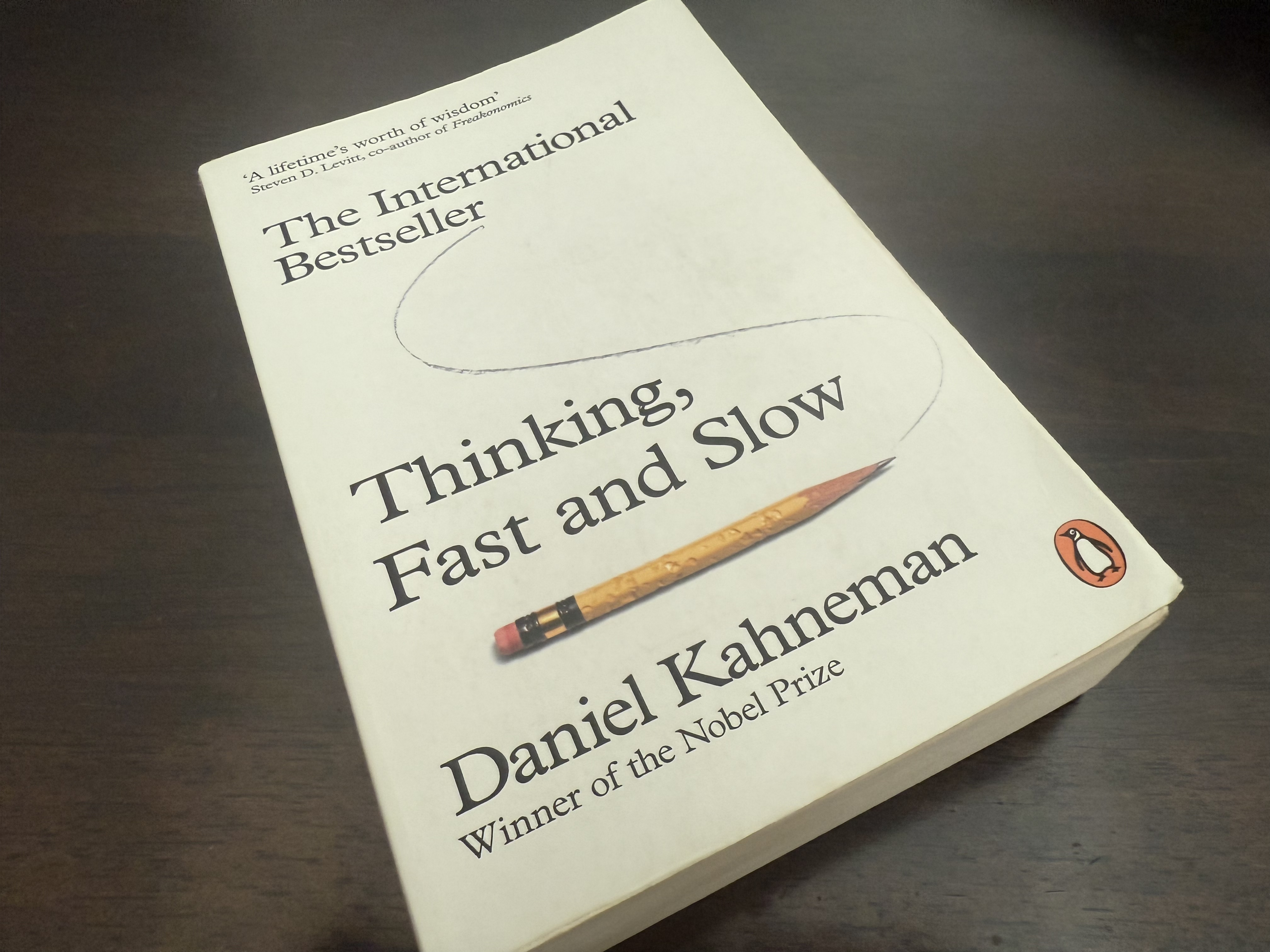
Here are six key takeaways and practical suggestions:
1. Leverage System 2 Thinking for Complex Risks
Kahneman distinguishes between intuitive (System 1) and analytical (System 2) thinking. While System 1 is quick, it can be prone to errors. For complex risk assessments, we must engage System 2 by:
-
Allocating Sufficient Time: Avoid rushing decisions and allocate adequate time for thorough analysis.
-
Employing Structured Tools: Use decision matrices or probabilistic risk analysis to systematically evaluate risks and avoid biases.
2. Mitigate Anchoring Bias
Anchoring bias occurs when we rely too heavily on initial information. To counteract this:
-
Use Structured Frameworks: Employ checklists to ensure comprehensive risk identification and evaluation.
-
Foster Independent Assessments: Encourage team members to record their assessments privately before group discussions.
-
Consider Multiple Scenarios: Explore various possibilities to prevent anchoring on a single, potentially biased, scenario.
3. Address Availability Bias
Availability bias leads us to overestimate risks that are easily recalled. To mitigate this:
-
Rely on Data-Driven Analysis: Use historical data and incident reports to identify less obvious risks.
-
Utilise Visual Aids: Employ simulations and visualisations to make low-frequency, high-impact risks more tangible.
4. Overcome Overconfidence
Overconfidence can lead to underestimating risks. To address this:
-
Conduct Pre-Mortem Exercises: Imagine project failures to identify potential risks and blind spots.
-
Calibrate Estimates: Use quantitative methods to refine risk estimates.
-
Seek Diverse Perspectives: Involve colleagues with different backgrounds to challenge assumptions.
5. Navigate Loss Aversion and Risk-Taking
We tend to be more sensitive to potential losses than gains. To make informed decisions:
-
Frame Decisions Positively: Focus on the potential benefits of risk-taking.
-
Consider Long-Term Consequences: Evaluate the long-term implications of both risk-taking and risk aversion.
6. Harness the Power of Framing
The way information is presented can influence decision-making. To avoid bias:
-
Use Neutral Framing: Avoid emotionally charged language and present information objectively.
-
Test Different Frames: Experiment with various framing techniques to assess their impact on decision-making.
Common Pitfalls in Risk Assessments
It's important to recognise common pitfalls in risk assessments:
-
Tick-Box Mentality: Treating risk assessments as a formality rather than a valuable tool.
-
Bias-Driven Results: Organisational pressures or personal biases influencing risk assessments.
-
Over-Reliance on Historical Data: Failing to account for changing conditions and emerging risks.
Conclusion
By understanding cognitive biases and applying these strategies, we can improve the accuracy and reliability of our risk assessments. I encourage you to share these insights with your team and foster a culture of critical thinking and continuous improvement.